Animals and Plants
Go to: Please don't call it Forestry, Part 1: Clearcuts
Back to: Environment North America
Animals and Plants Go to: Please don't call it Forestry, Part 1: Clearcuts Back to: Environment North America |
|
Why do we still allow the hunting of bears and wolves? How can wild animals survive in a landscape that's either paved over, converted to cornfields, or fenced off for cattle ranching? Where are the wild streams that haven't been trampled by livestock? Why do we give children dolls of the animals we destroy? |
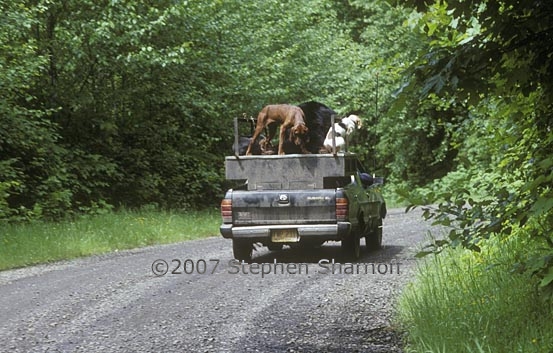
Image 1. The black hump in the center of the pickup truck is a black bear, shot by hunters in Oregon using dogs with radio transmitters on their collars.
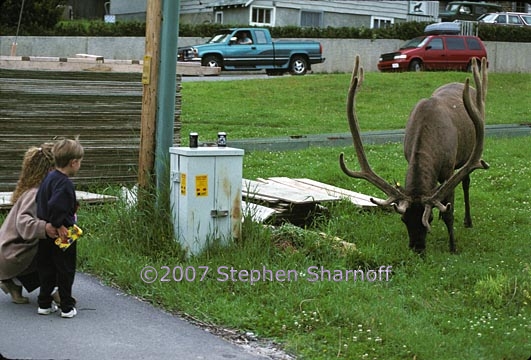
Image 2. Elk near Banff have grown so used to human environments that they frequently wander into town.
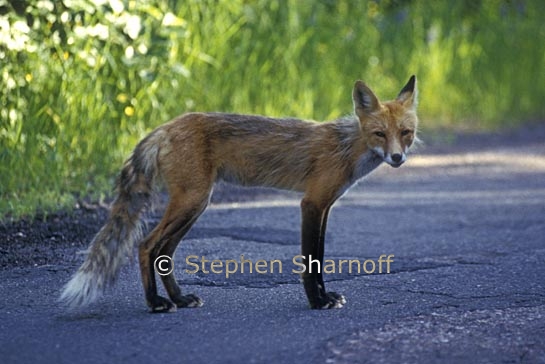
Image 3. This fox was on a highway on the North Shore of Lake Superior, Ontario.
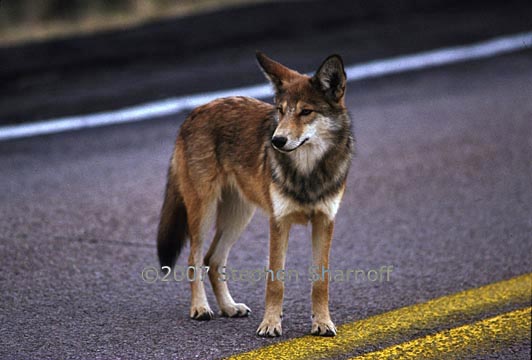
Image 4. A coyote on the highway. Increasingly, wild animals have to attempt
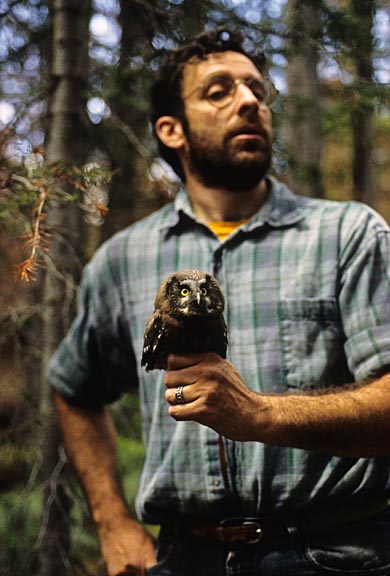
Image 5. Holding a baby boreal owl in Idaho. Biologists are studying wildlife at the same time that wildlife habitat is being destroyed at a rapid rate.
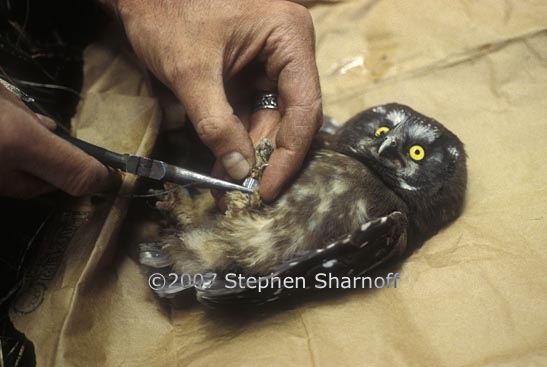
Image 6. Banding a baby Boreal Owl in Idaho
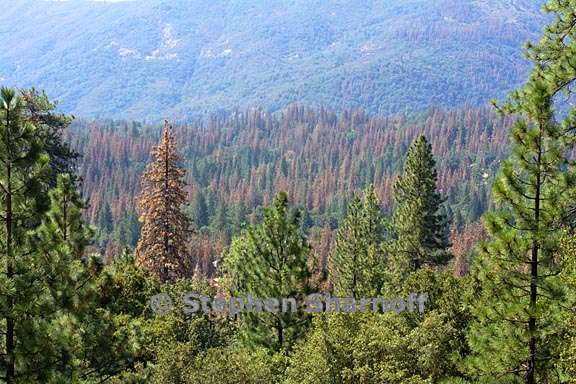
Image 7. Beetle damage to pine trees in the central Sierra Nevada.
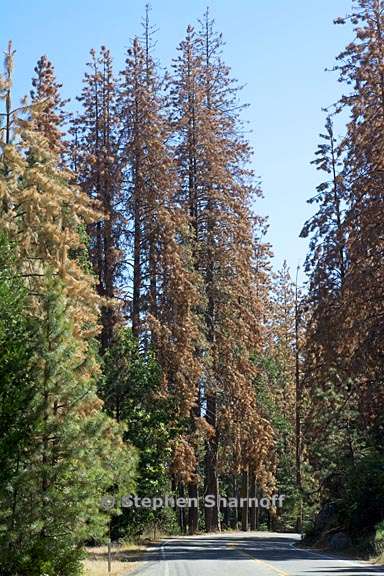
Image 8. Beetle damage to pine trees in the central Sierra Nevada.
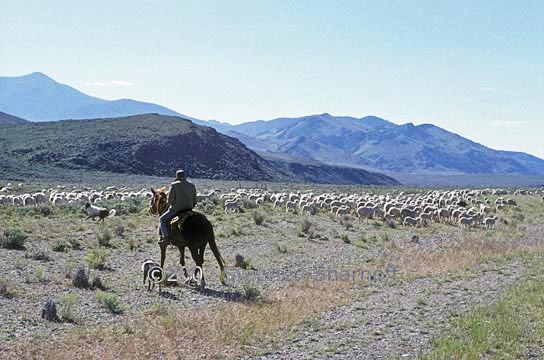
Image 9. Herding sheep, Idaho
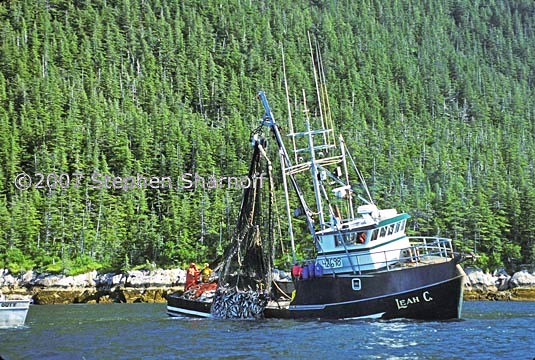
Image 10. Commercial salmon fishing, Alaska. Wild salmon have been almost driven to extinction by dams, logging, pollution and over-fishing.
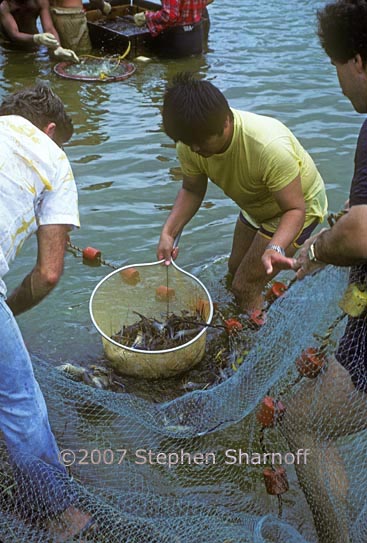
Image 11. Harvesting prawns at a "fish farm" in Hawaii. Fish farms, whether for prawns or for salmon have turned out to be hugely destructive to the natural populations of these animals. Photo by Sylvia Sharnoff.
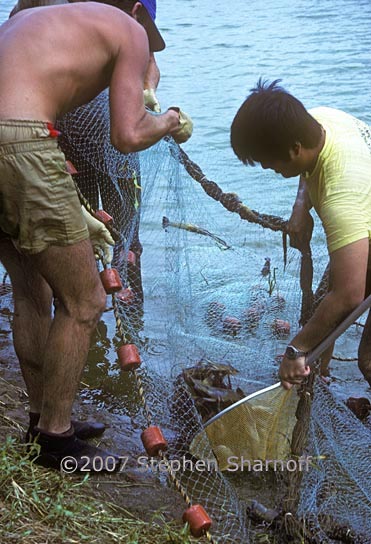
Image 12. Harvesting prawns at a "fish farm" in Hawaii.
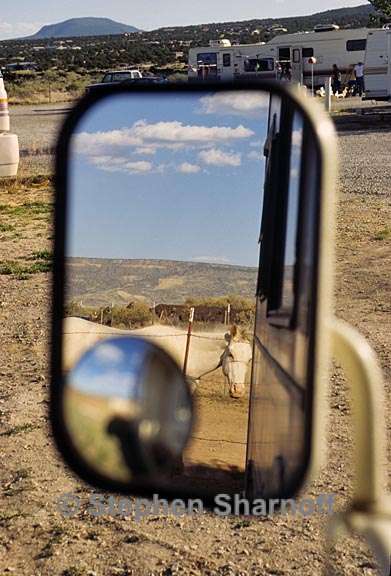
Image 13. This horse lives next to a trailer park in the Great Basin. Animals of all kinds have had to adapt to human changes in the landscape.
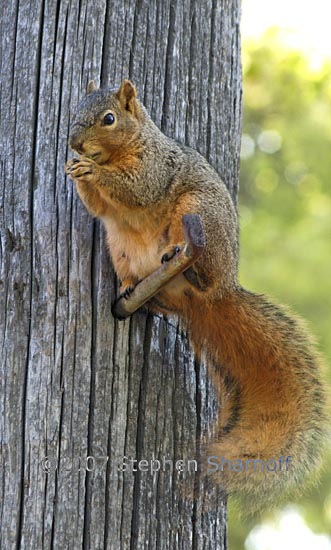
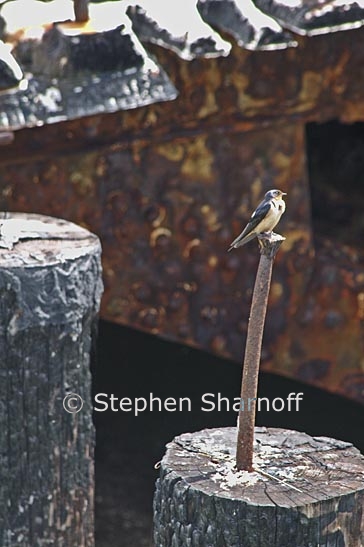
Image 14. An urban squirrel. . Image 15. Bird on a pier.
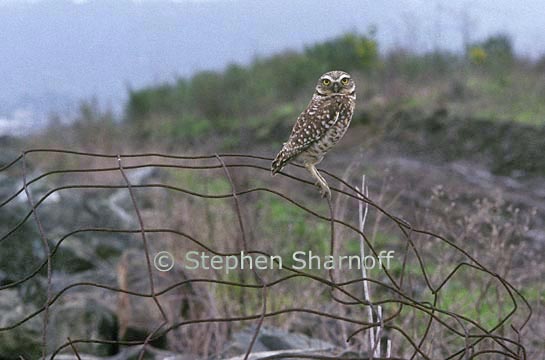
Image 16. An owl on a fence at a city dump by San Francisco Bay.
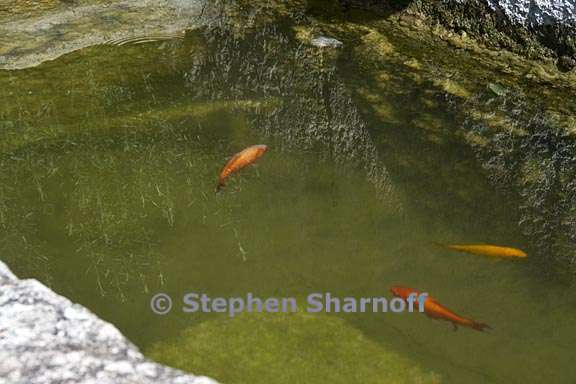
Image 17. Goldfish in an outdoor concrete pond.
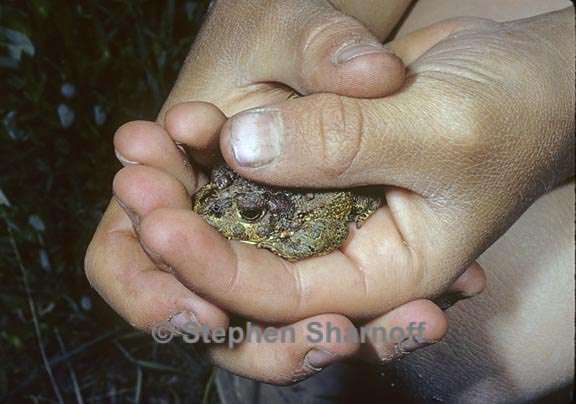
Image 18. Child holding a frog.
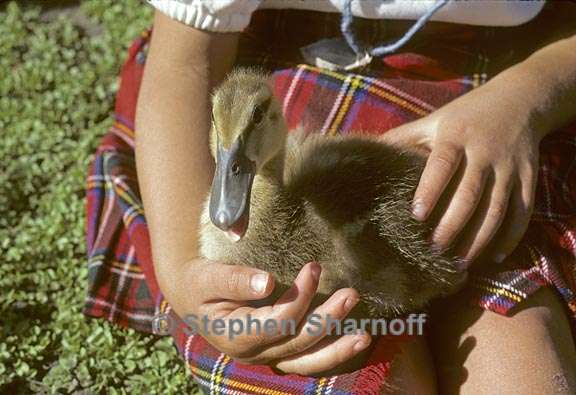
Image 19. Child holding a duck.
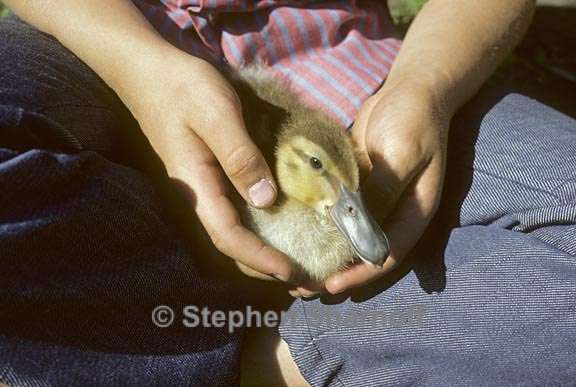
Image 20. Child holding a duck
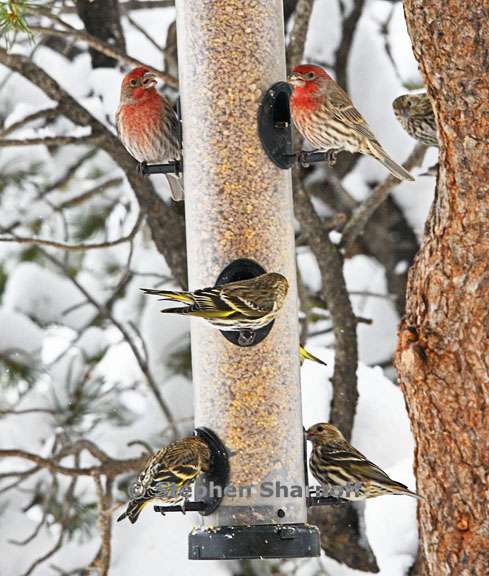
Image 21. Birds at our feeder
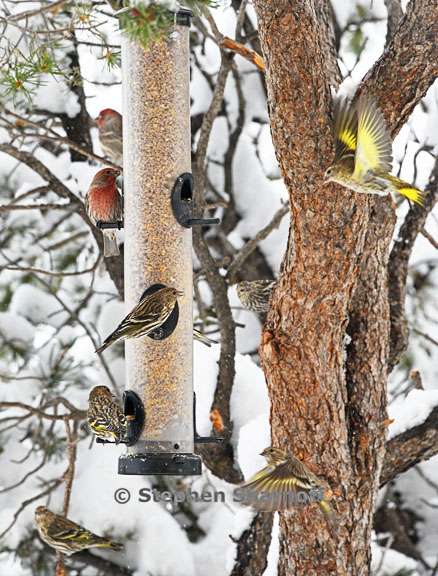
Image 22. Birds at our feeder
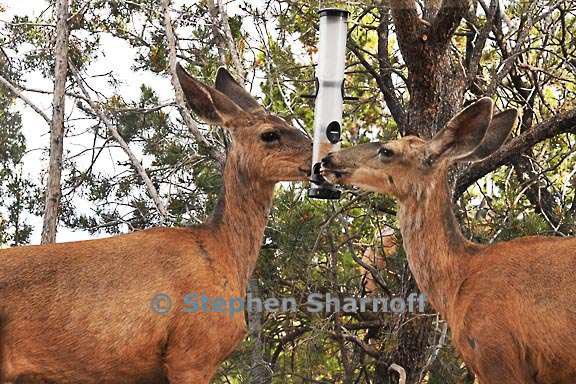
Image 23. Deer at our birdfeeder
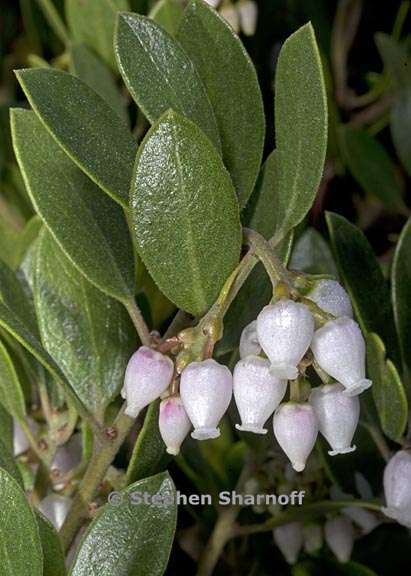
Image 24. A California plant that may now be extinct in the wild, |
|