Please Don't Call it Forestry, Part 2: The Timber Industry
Go to:Go to: Please don't call it Forestry, Part 3: Private Timberland
Back to: Environment North America
Please Don't Call it Forestry, Part 2: The Timber Industry Go to:Go to: Please don't call it Forestry, Part 3: Private Timberland Back to: Environment North America |
|
Companies like Weherhauser started in places like Minnesota, destroying the pine forests that are now barely a memory, and in the process stealing most of the land from the native peoples who lived there. Then they carried their destructive practices into the west, helped by massive government give-aways of land as the railroads were built. Douglas-fir became the staple of the construction industry. Redwoods were largely removed for siding and panelling. Ponderosa pines in the drier regions were cut in vast amounts to supply the mining industry. Only fragments remain. See also: Douglas-fir National Monument, and Old-growth Douglas-fir Forests |
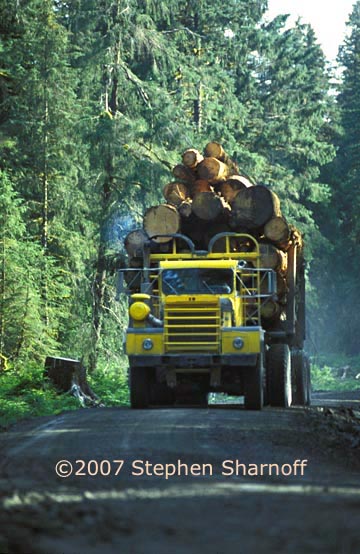
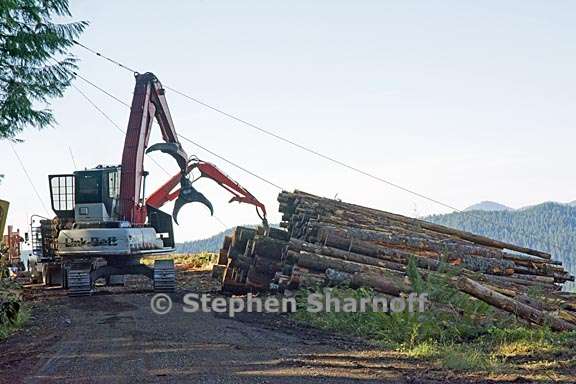
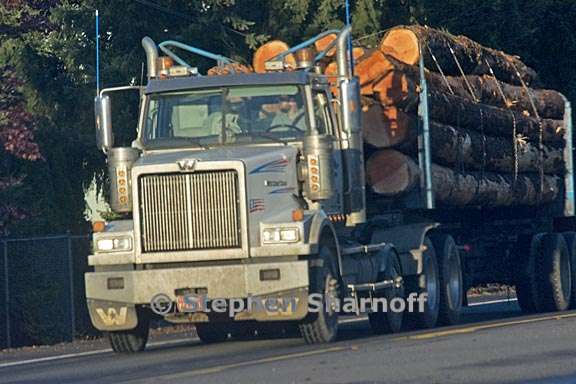
Image 1. A logging truck on Montague Island, Prince William Sound, Alaska.
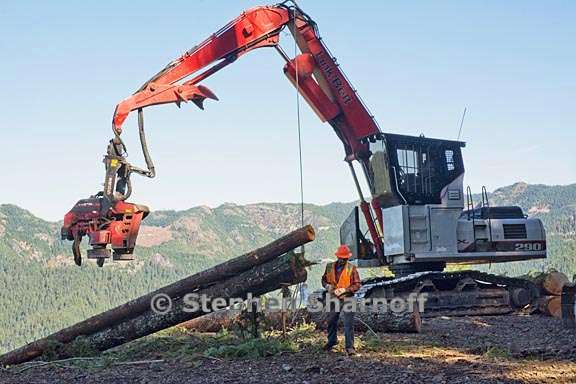
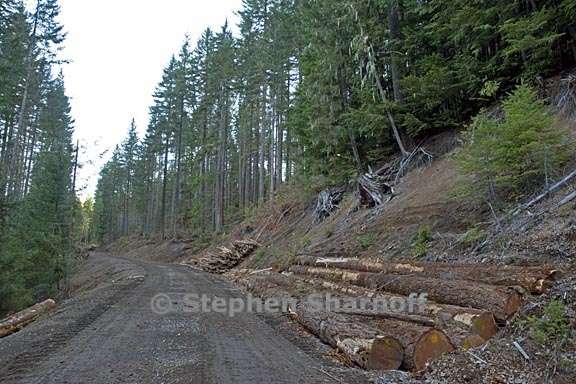
Image 2. A logging operation (clearcutting) on an area of private land
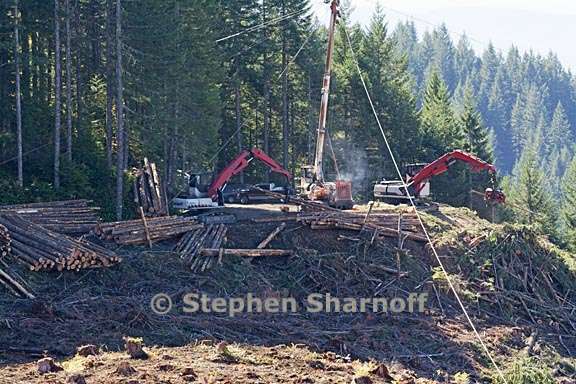
Image 3. A logging operation (clearcutting) on an area of private land
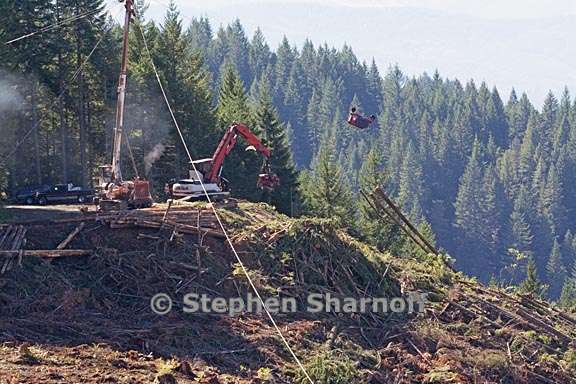
Image 4. A logging operation (clearcutting) on an area of private land
Image 5. A logging operation (clearcutting) on an area of private land
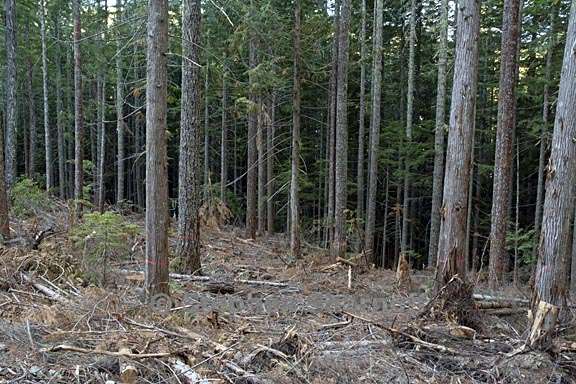
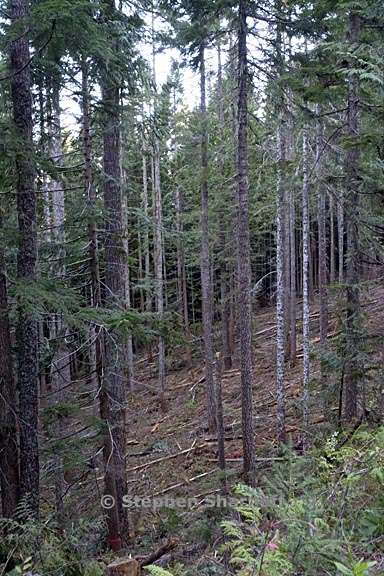
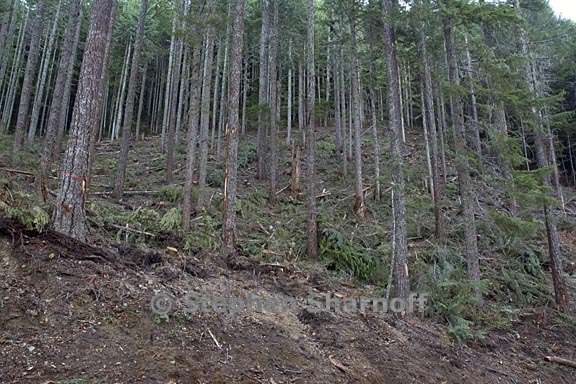
Image 6. A thinning operation in Willamette National Forest,
Image 7. Thinned forest in Willamette National Forest,
Image 8. Thinned forest in Willamette National Forest,
Image 9. Thinned forest in Willamette National Forest,
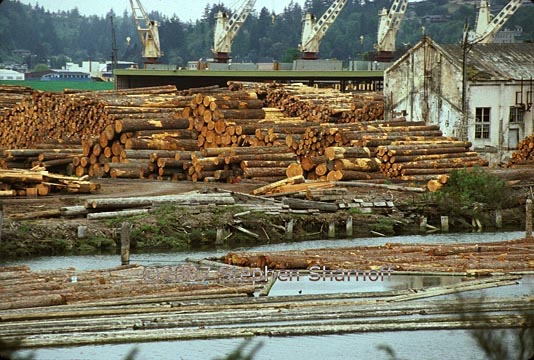
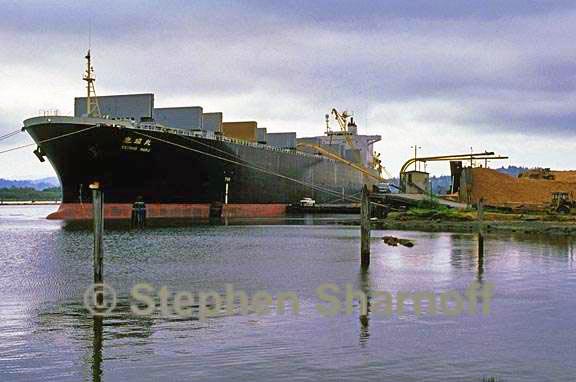
Image 10. A Weherhauser log dock near Coos Bay, Oregon about 1990.
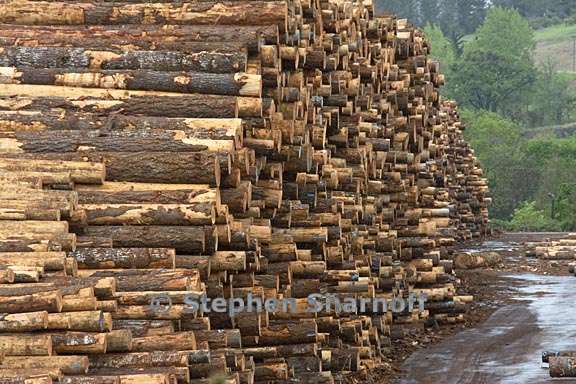
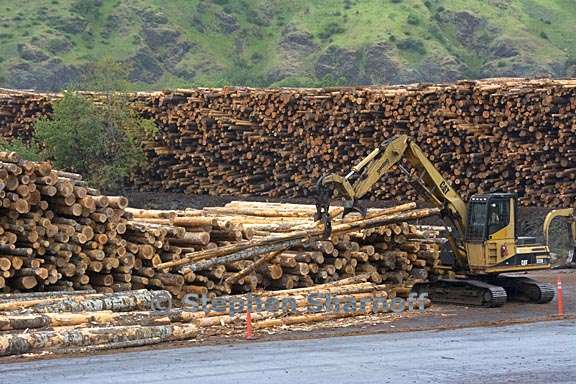
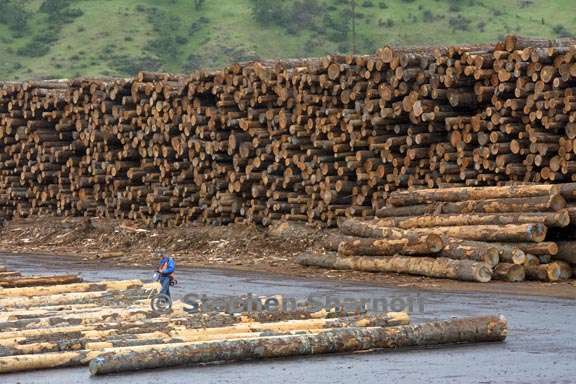
Image 11. Douglas-fir logs at a mill in Roseburg, Oregon.
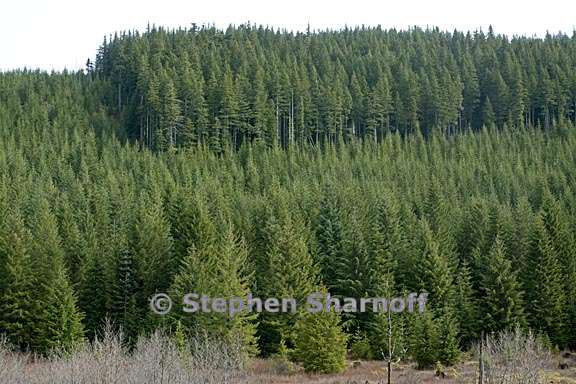
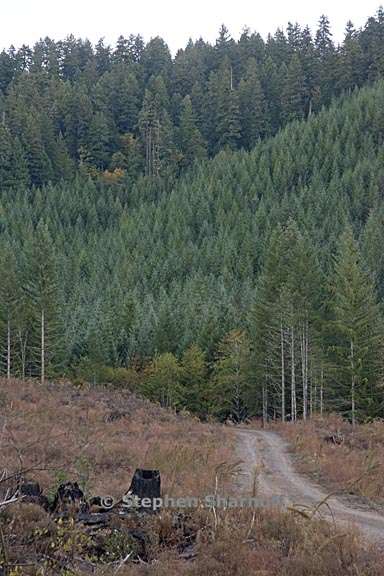
Image 12. Intensively "managed" timberland in Willamette National Forest of Oregon, with two Douglas-fir stands of trees all the same age within each stand. A tree plantation, not a natural forest.
Image 13. Intensively "managed" timberland in Willamette National Forest of Oregon, with two Douglas-fir stands of trees all the same age within each stand.
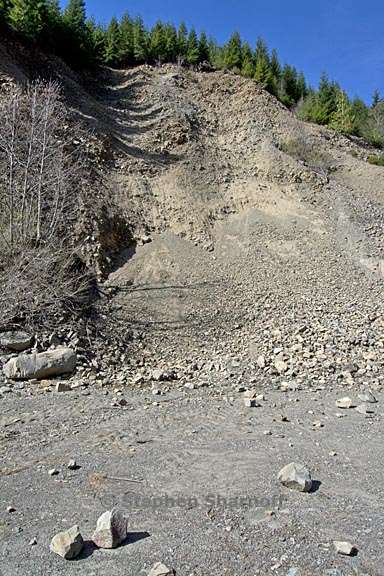
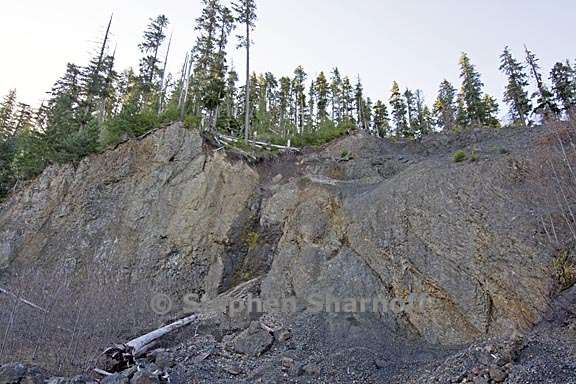
Image 14. Landslides are common where
steep slopes have been clearcut.
Image 15. Landslides are common where
steep slopes have been clearcut.
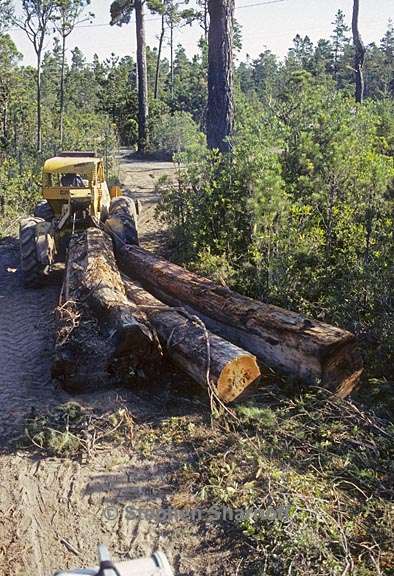
Image 16. Dragging logs out of an area of semi Pygmy Forest, Mendocino Co., California.
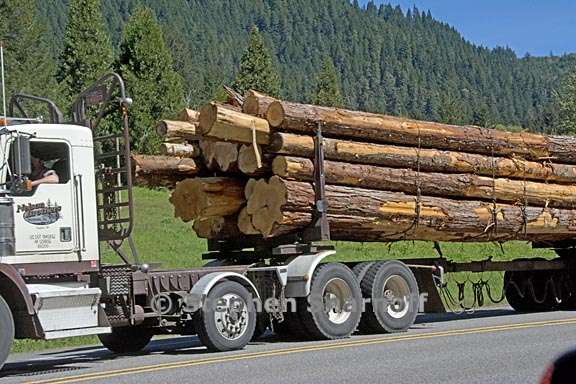
Image 17. A log truck near Sweet Home, Oregon.
Image 18. A log truck near McKensie Bridge, Oregon.
Image 19. Logs at a mill in Roseburg, Oregon. Even in New Mexico,
Image 20. Logs at a mill in Roseburg, Oregon.
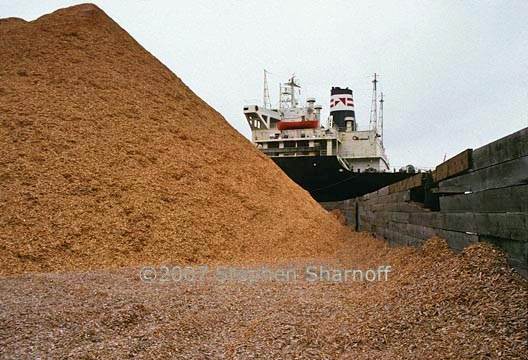
Image 21. A pile of wood chips on a dock in Coos Bay, Oregon about 1990.
Image 22.Wood chips on a dock in Coos Bay, Oregon about 1990.
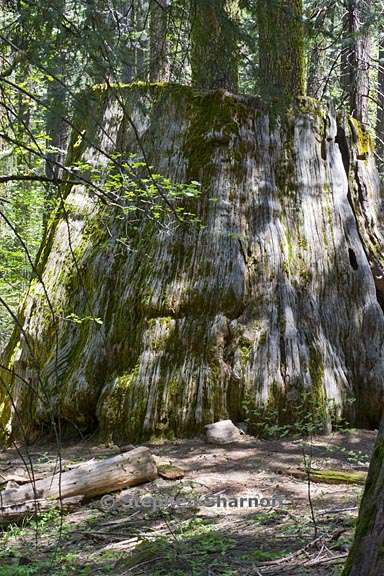
Image 23: A remnant of logging from many years ago, this giant sequoia stump
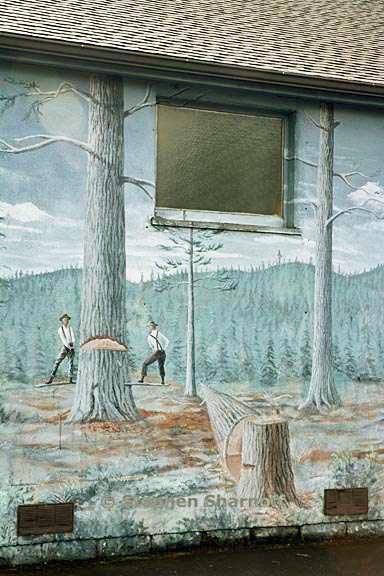
Image 24. A mural in Sweet Home, Oregon, epicenter of logging in the Cascades.
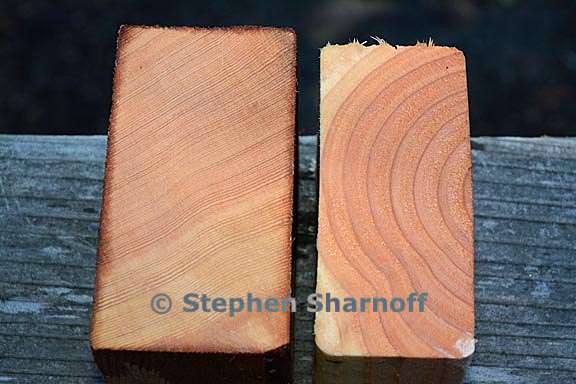
Image 25. On the left is a section of 2 x 4 from a house built about 1923, the wood having been cut from old-growth Douglas-fir. On the right is a 2 x 4 from 2017. Yet the industry still promotes itself as "sustainable". |
|