Soil Crusts
Back to: Algae, Cyanobacteria, and Soil Crusts Index
Soil Crusts |
|
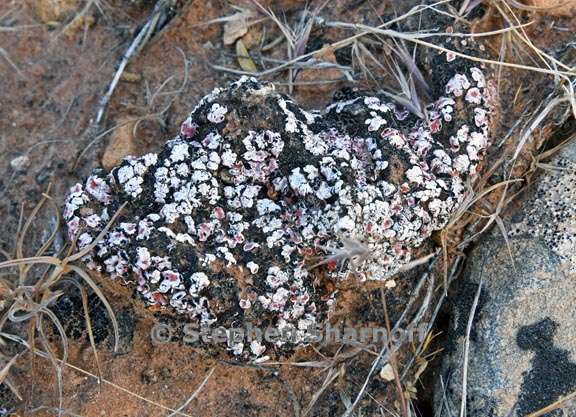
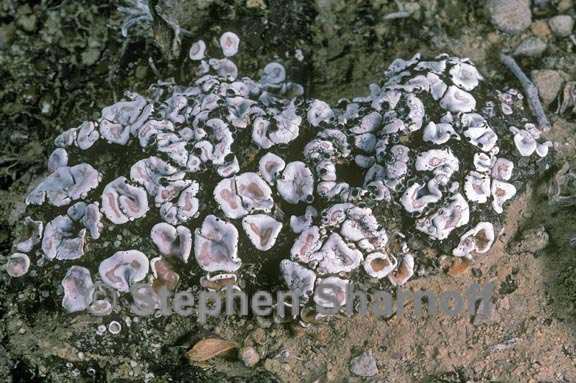
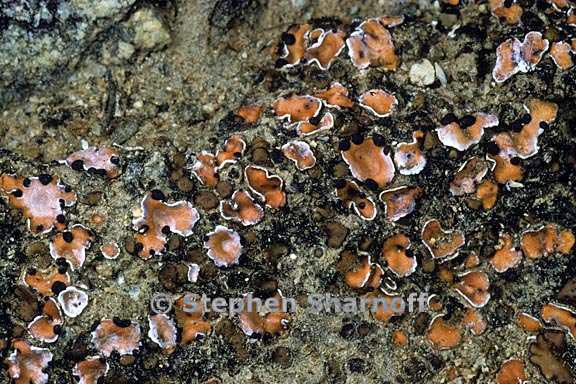
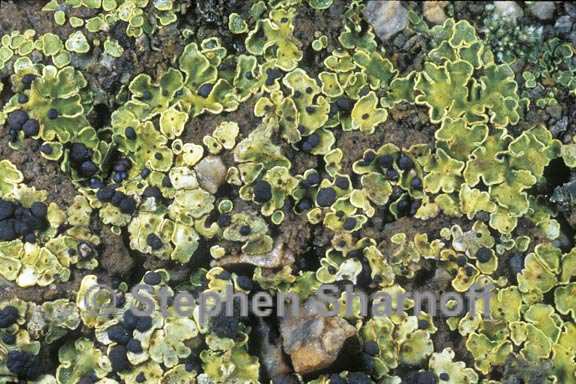
"Biological soil crusts (BSCs) are an intimate association between soil particles and cyanobacteria, algae, microfungi, lichens, and bryophytes (in different proportions) which live within or on top of the uppermost millimeters of soil. These communities have been known by a variety of names, including cryptobiotic, cryptogamic, and microbiotic soil crusts." -from A Field Guide to Biological Soil Crusts of Western U.S. Drylands by Roger Rosentreter, Matthew Bowker, and Jayne Belnap, US Government Printing Office, 2007 Soil crusts are environmentally important, contributing nitrogen and other nutrients to the soil and preventing erosion. They have been heavily impacted by livestock grazing, habitat alteration, and off-road travel. The photos below show some examples of soil crusts. More photos can be found in the Lichens and Mosses sections. |
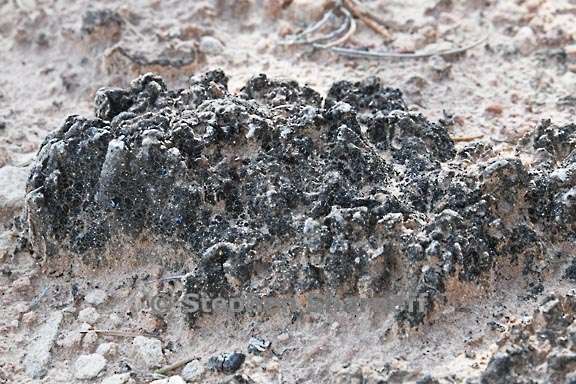
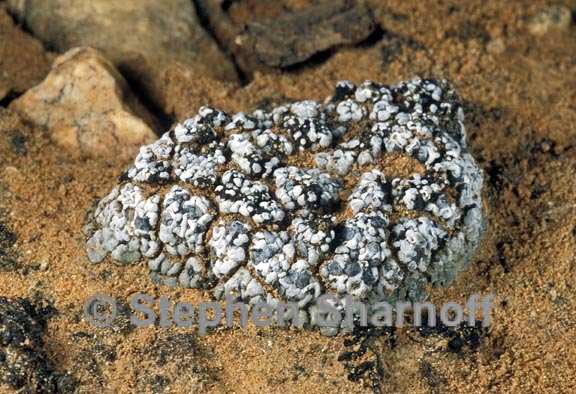
Image 1. A small soil crust mound in southwestern Colorado. This one consists mainly
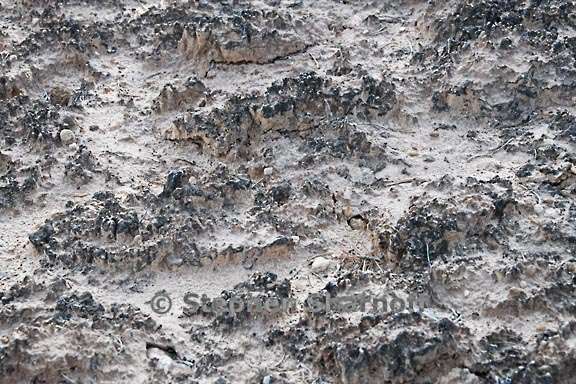
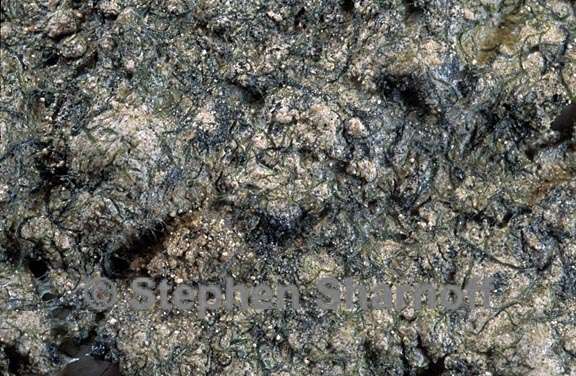
Image 2. Small soil crust mounds in southwestern Colorado. They consist mainly Image 3. Tiny filaments of the cyanobacterium, Microcoleus sp., barely visible on soil in Idaho.
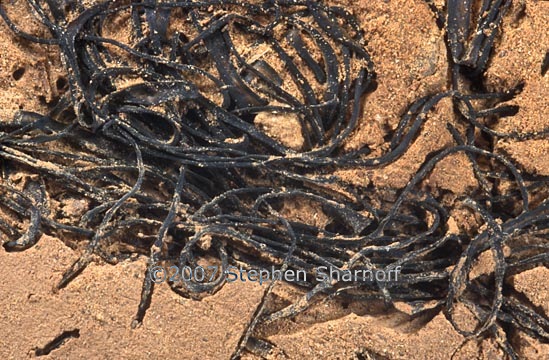
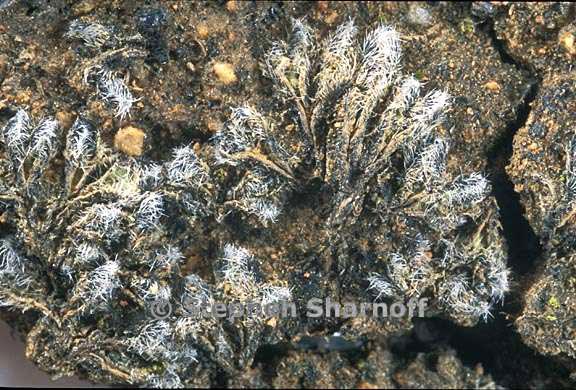
Image 4. Filaments of the cyanobacterium, Nostoc commune, on soil in Idaho.
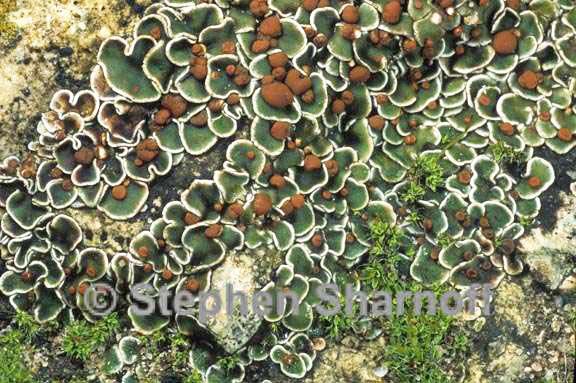
Image 5. A small soil crust mound in southwestern Colorado, held together by a lichen, a species of Psora.
Image 6. Psora crenata, on soil in Big Bend National Park, Texas
Image 7. Psora decipiens, eastern Arizona
Image 8. Psora icterica, in the hill country of Texas
Image 9. Psora pseudorussellii, in the hill country of Texas
Image 10. Toninia sedifolia, another soil lichen, from the south rim of the Grand Canyon, Arizona
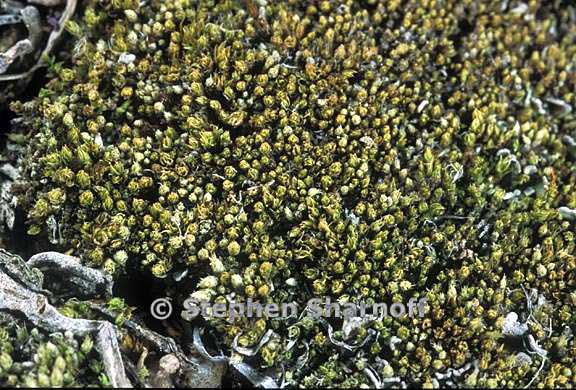
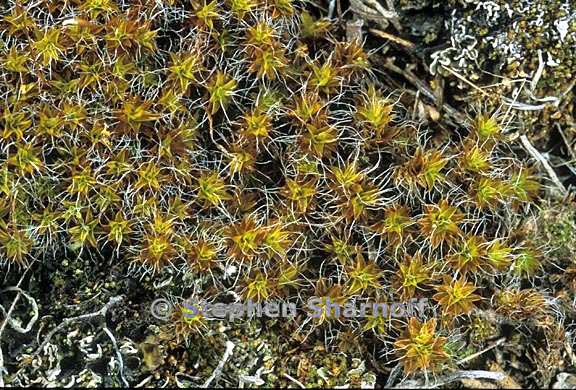
Image 11. Bryum argenteum, a moss on soil in southern Idaho.
Image 12. Riccia trichocarpa, a moss on soil in southern Idaho.
Image 13. Syntrichia ruralis, a moss on soil in southern Idaho. |
| Back to: Algae, Cyanobacteria, and Soil Crusts Index |